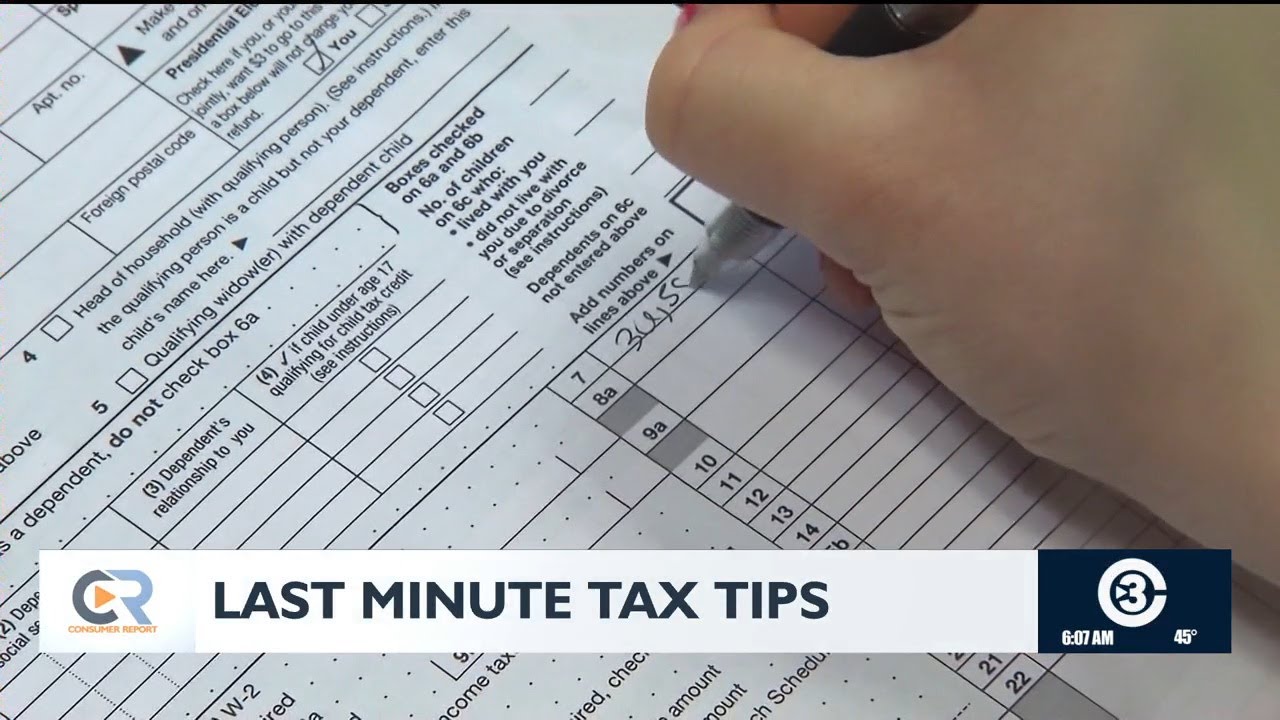
Conquering the Clock: Essential Last Minute Tax Tips for a Stress-Free Filing
The tax deadline can feel like an ominous cloud on the horizon, but even as the clock ticks louder, there's no need for panic. Many individuals find themselves scrambling as the final day approaches, but with the right strategy and a calm approach, you can still file successfully and even optimize your return. This article, part of our last minute tax tips series, is designed to empower you with actionable advice, transforming potential anxiety into proactive efficiency. Let's dive into some crucial last minute tax tips and reminders to help you navigate this period with confidence, ensuring you meet your personal deadline and enjoy a genuinely stress-free tax season.
Your Last-Minute Lifeline: Strategic Organization
When the tax deadline is looming, the natural instinct might be to rush, grabbing whatever documents you can find. However, this impulsive approach is precisely what leads to mistakes, missed deductions, and unnecessary stress. Instead, take a deep breath and dedicate a crucial few minutes to strategic organization. Think of it not as wasted time, but as an investment that will save you hours of frustration and potentially hundreds of dollars.
Start by creating a dedicated "tax zone" – whether it's a physical folder, a designated area on your desk, or a specific digital folder on your computer. Gather all potential tax-related documents you can think of. This typically includes:
- Income Statements: W-2s, 1099s (for contract work, interest, dividends, etc.), K-1s.
- Deduction & Credit Support: Receipts for medical expenses, charitable donations, business expenses, home improvement costs (especially if you're selling), student loan interest statements, tuition statements (1098-T), childcare receipts, property tax statements.
- Prior Year Returns: Your previous year's return can be a valuable checklist for recurring items.
- Personal Information: Social Security numbers (or SINs), dates of birth for all dependents.
Once you have everything assembled, do a quick cross-reference against a mental or written checklist. Are there any obvious omissions? Did you forget a bank statement that includes interest income, or a receipt for a significant medical procedure? Taking this small step to double-check now can prevent the need for a costly amendment later and ensures you have all the correct information to make the entire filing process as smooth as possible.
Staying Current: Navigating the Shifting Sands of Tax Law
Tax codes are not static; they are living documents that evolve with legislative changes, economic shifts, and societal needs. What was true last year might have subtle, or even significant, differences this year. Failing to acknowledge these changes can lead to errors, missed opportunities for savings, or even non-compliance.
Before you finalize your return, take a few moments to perform a quick scan for relevant updates. You don't need to become a tax expert overnight, but being aware of major shifts can make a big difference. Key areas where changes often occur include:
- Standard Deduction Amounts: These often adjust for inflation.
- Tax Brackets: Income thresholds for each bracket can change.
- Credit Eligibility and Amounts: Credits like the Child Tax Credit, Earned Income Tax Credit, or education credits might have revised rules or expanded eligibility.
- Specific Deductions: Certain deductions might be phased out, capped, or newly introduced.
- State/Provincial Tax Laws: Don't forget that state or provincial laws can also have significant updates independent of federal changes.
Reliable sources for this information include the official websites of your country's tax authority (e.g., IRS.gov in the US, Canada.ca/cra in Canada), reputable financial news outlets, or, ideally, a quick consultation with a tax professional. Ensuring your tax plan aligns with the most current regulations is paramount to a sound and compliant filing. The last thing you need is an unexpected hurdle thrown into your plans when you're trying to file on time.
Unearthing Hidden Opportunities: Credits and Deductions You Might Miss
One of the biggest regrets taxpayers have after filing is realizing they missed out on valuable credits or deductions. While the deadline looms, there's still time to unearth these potential savings. Many people focus solely on their income and forget the multitude of ways they can reduce their taxable income or directly lower their tax bill.
Are You a New Homeowner?
If you or your spouse/common-law partner recently acquired a qualifying home, you could be eligible for significant relief. For example, in some jurisdictions, the First-Time Home Buyer’s Tax Credit (HBTC) can be a substantial benefit. This credit allows eligible individuals to claim a set amount (e.g., up to $10,000, potentially resulting in a tax credit of up to $1,500 for eligible buyers in Canada) which directly reduces the amount of tax you owe. Make sure to check if you qualify and have the necessary documentation for your home purchase.
Beyond the Home: Other Common & Overlooked Savings
Beyond homeownership, there's a vast landscape of other deductions and credits:
- Medical Expenses: Keep track of significant out-of-pocket medical costs that exceed a certain percentage of your adjusted gross income.
- Charitable Donations: Contributions to registered charities can often be deducted. Ensure you have official receipts.
- Tuition and Education Expenses: If you or your dependents attended post-secondary education, you might be eligible for credits or deductions for tuition fees, textbooks, and supplies.
- Childcare Expenses: Costs associated with childcare for working parents or those actively seeking employment can often be claimed.
- Retirement Contributions: While the official deadline for making contributions for the current tax year may have passed, ensure you've properly accounted for any contributions made earlier in the tax year to accounts like RRSPs, 401(k)s, or IRAs. These can significantly reduce your taxable income.
- Student Loan Interest: The interest paid on qualified student loans can often be deducted.
- Self-Employment Expenses: If you're self-employed, ensure you've accounted for every legitimate business expense, from home office deductions to professional development and supplies.
The key here is to meticulously review your financial activity for the entire year. Many smaller expenses, when added up, can make a meaningful difference to your tax outcome.
The Strategic Advantage: Seeking Professional Guidance
While DIY tax software has become increasingly popular, there's no substitute for the expertise of a qualified tax professional. Especially when you're up against the clock, getting help from an expert is often the best way to ensure you're not missing any deductions or credits, and that your return is filed accurately and compliantly.
A tax professional brings several invaluable benefits:
- Maximizing Your Return: They are experts in the ever-changing tax code and can identify deductions and credits that you might overlook, ensuring you get the most from your tax return – whether that's a larger refund or a smaller tax liability.
- Error Reduction: Their meticulous eye can catch mistakes that tax software might miss, preventing costly amendments or potential audits down the line.
- Peace of Mind: Knowing that your taxes have been handled by an expert can significantly reduce stress, especially during crunch time.
- Complex Situations: If you've had major life changes (marriage, divorce, new home, significant investments, starting a business), a professional can navigate these complexities with ease.
- Audit Support: Many professionals offer audit assistance as part of their services, providing an extra layer of security.
Even if you think your taxes are straightforward, a quick consultation can be an invaluable investment. They can help ensure you have everything needed, including medical expenses, charitable donations, tuition fees, childcare expenses, and more, all properly categorized and reported.
Beyond This Year: Setting Up for Future Success
Once you've successfully filed your current year's taxes, resist the urge to simply forget about them until next year. The moment your current return is complete is actually the perfect time to start planning for the future. Proactive tax planning throughout the year can make next year's filing experience genuinely effortless.
Here’s how to get a head start:
- Year-Round Tracking: Implement a system for tracking deductions and credits as they occur. Use a dedicated spreadsheet, a digital app, or even a physical folder to store receipts and relevant documents for expenses like medical costs, charitable donations, and business mileage.
- Optimize Withholding/Estimates: Review your current tax withholding (if you're an employee) or quarterly estimated tax payments (if self-employed). Adjust them to prevent a large tax bill or an unnecessarily large refund next year.
- Boost Retirement Contributions: Make contributions to RRSPs, 401(k)s, or IRAs throughout the year. Not only do these accounts grow tax-deferred, but contributions often reduce your taxable income.
- Digital Organization: Scan important documents and keep them in a secure, cloud-based folder. This makes retrieval easy and reduces physical clutter.
- Review Major Life Events: Anytime you experience a significant life change – buying a home, getting married, having a child, changing jobs – consider its potential tax implications and adjust your planning accordingly.
The more organized and proactive you are throughout the year, the easier it will be to file on time, maximize your savings, and minimize stress next tax season. Don't let the "last minute" panic be an annual tradition; turn it into a catalyst for ongoing financial preparedness.
Conclusion
Facing a looming tax deadline can be daunting, but with these last minute tax tips, you're better equipped to tackle it head-on. By taking a moment to organize, staying informed about tax law changes, diligently searching for all applicable credits and deductions, considering professional help, and initiating a plan for next year, you can transform a stressful obligation into a manageable task. Remember, even with time running out, smart actions today can lead to a more accurate return and a much calmer you. Good luck with your filing!